Evaluation and analysis

Evaluation is often treated as just a mandatory part of a project. We do it to help you manage your project: we plan it from the start, collect data throughout the project and discuss the findings with your team as we go, so they can use them straight away. The evaluation then tells you what your project really changes, for whom and why.

How our evaluation can help you

Non-profit organisations evaluating a single project or the overall impact of their work. Social innovation projects and pilot programmes where a decision is coming on what happens next.

You run a project that you know works. You can see it in the people you work with. But your report to the donor shows the number of people trained and the number of meetings held, and that says almost nothing about impact. When someone asks what has actually changed, you reach for two strong stories and hope that will be enough.

Or you are in the middle of a pilot and suspect that one part is not working. But you have nothing to base a change on, so you stick to the plan, because it is written into the application and changing it is complicated.

Foundations and donors who want to evaluate a single programme or call for proposals, track impact across all their work, or support their grantees in evaluation.

Your grantees send you reports, but they do not tell you whether the programme works. You ask them for evaluation, but you are not sure you are asking for the right things or whether reporting is more of a burden for them.

Or you have three programmes, each with its own logic. Each works on its own, but do they together fulfil the foundation’s mission? And then there is the question of how the organisations you fund see you: whether your administration is proportionate, whether your themes match what they are dealing with, and whether working with you again is worth it for them.

Ministries and their organisations, regions, cities, universities and other public institutions.

You run a project for which evaluation is mandatory. You want it to be more than a formality for the funding body and to help your team as well. With pilots, there is often the added question of whether to scale them up and how they would work without project funding.

Or you have a strategy with indicators. They are collected and most of them are met, but it is still unclear which measures actually made a difference.

It does not matter whether you are evaluating a one-year pilot for twenty people or a three-year project worth tens of millions of crowns.

We calibrate the scope and the methods to the time, money and capacity your team has.

What it looks like in practice

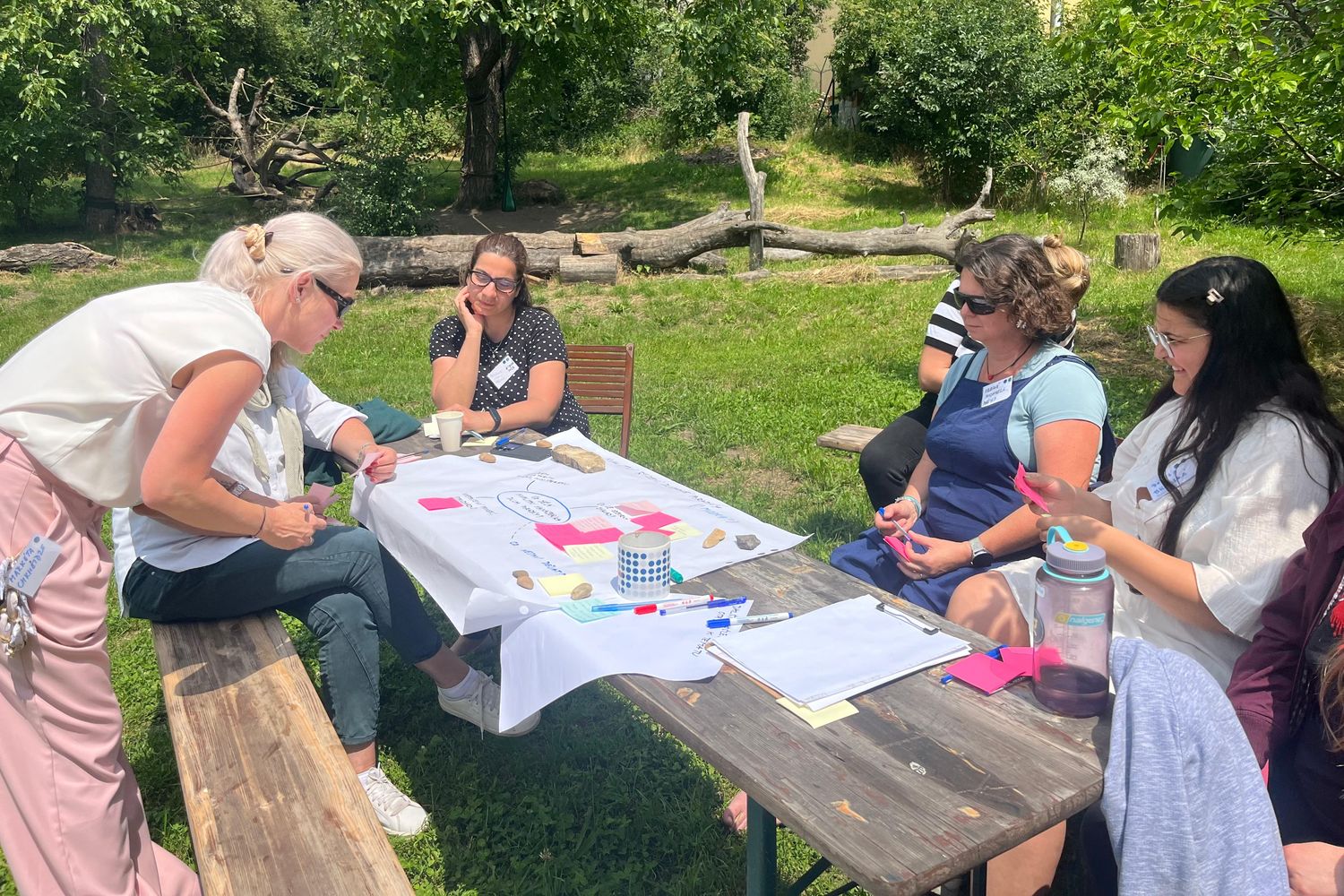
Účastníci workshopu u venkovního stolu doplňují lístečky na velký arch se zjištěními z evaluace

What changes

  • You know what works in your programme and under what conditions.

  • You get findings continuously, so you can adjust the programme as it runs.

  • Your team takes part in the findings, which makes them easier to accept.

  • You have well-founded findings that stand up in front of donors and boards and in future funding applications.

  • Even finding out that something did not work has value when you know why.

When people talk about evaluation, it is usually about these questions:

Does what we do work?

What impact does it have?

Who does it work best for?

And what should we do differently next time?

The answers are easier to find when the evaluation is planned at the start of the project and data is collected along the way.

How it works

We shape our work around your project: when we join it, what you need to find out and how much time and capacity you have. If it turns out during the evaluation that something extra would help, we tell you and suggest how to include it, either within the agreed scope or at a price you will know in advance.

1

Consultation

We go through what you need to find out and why, with no obligation. This results in a proposal with the approach, methods, draft evaluation questions, timeline and price. If you approach us through a public tender, this step is skipped and we start by clarifying the brief.

2

Clarifying the brief

At a joint meeting we clarify what the project aims to achieve and how you will know it is succeeding. For projects that are just starting, this produces a theory of change, a written assumption of how the project is meant to work. For projects already under way, we build on what you already have.

3

Evaluation plan

We write down the questions the evaluation should answer and assign a data source and a method to each one. We also add a data collection timeline.

4

Data collection and analysis

We choose the methods for each evaluation separately: interviews, questionnaires, focus groups or analysis of project data. In longer evaluations we share findings as we go, so you can work with them while the project is still running.

5

Findings and what follows from them

We deliver the findings in the form that serves you best, for example a final report or a presentation, with answers to all the evaluation questions.

+

Reflective workshop

By arrangement, we can hold a meeting with your team to go through the finished findings. The team discusses what they mean for its work, where people agree and where they do not, and agrees on next steps.

How long it takes

A one-off evaluation goes through steps 1 to 5 once. In multi-year projects, steps 3 to 5 repeat in cycles, and for longer projects we prepare two to four major outputs and meet in between to discuss interim findings. In every evaluation you receive an interim report roughly halfway through. Most of our evaluations last from six months to five years.

How you take part in the evaluation

Whenever we join a project, we carry out the evaluation together with you. At key points in the process we meet at facilitated sessions.

You decide how involved you want to be. Some teams want to take part in every step and collect some of the data themselves, others have capacity for two meetings a year. We set up the evaluation accordingly.

What we need from you: a person responsible for the evaluation on your side, access to the data you already keep, and a willingness to hear about what is not working.

What it looks like for you
In non-profits, evaluation is most often tied to a single project or grant. We set it up so that data collection fits into the team’s everyday work and the findings can be used for planning further activities and tracking impact, as well as in the next funding application or annual report.

With foundations, we usually start with a smaller probe, such as evaluating a single call, interviewing grantees or reflecting on one programme. Such a probe takes a few weeks and lets both sides check whether the collaboration suits them. We can then follow up with an evaluation framework for the whole foundation. We build it around what the board and donors need to know, while making sure data collection does not overload the grantees.

Because evaluations in public administration usually take several years, we meet the project team regularly and, in agreement with the funding body, adjust the evaluation plan when the project moves on. The outputs then meet the funding body’s requirements and also describe how the project is really going.

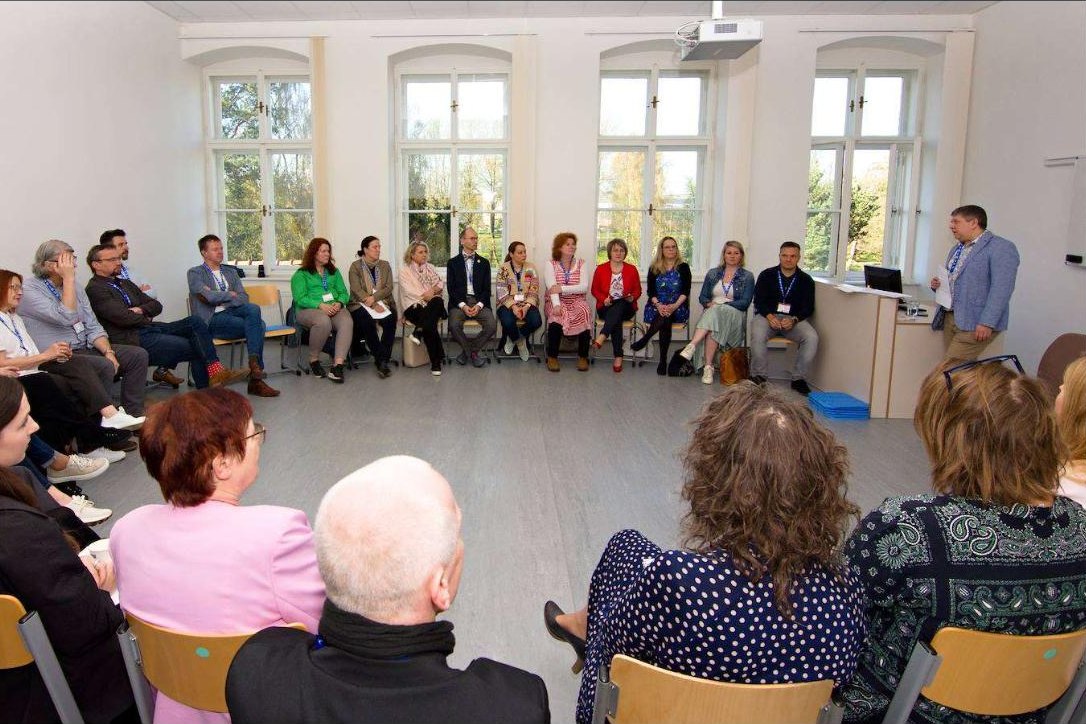
Účastníci workshopu sedí v kruhu ve světlé místnosti a společně diskutují

How we work

  • We build on what works

  • We are a learning partner, not an inspector

  • We involve the people the programme affects in data collection and interpretation

  • We build the interpretation together, and we take responsibility for the conclusions

  • We consistently distinguish between outputs, outcomes and impacts

  • We combine methods and cross-check the results

  • We design the evaluation so that it does not overload you

  • We keep the promises we made to respondents

  • We present sensitive findings as interpretations grounded in data

What you get

The format of the outputs depends on what you need them for. Sometimes it is a research report, other times a presentation, a facilitated workshop, a Miro board or a set of key insights and personas. We prepare an extensive report where you really need one.

Included in every evaluation

  • A visual theory of change for your project.

  • An evaluation plan or inception report with evaluation questions and an evaluation matrix.

  • Tools for your own data collection (questionnaires, interview and focus group guides).

  • An interim and a final report with answers to all evaluation questions.

  • The underlying data in Excel for every chart.

Added as needed

  • An ecosystem map showing the actors, where they overlap and where the gaps are.

  • An evaluation framework for a grant programme.

  • Materials for communicating impact.

  • Case studies of organisations or participants.

  • A visual one-pager summarising the findings.

  • Outputs from participatory meetings for participants (Miro, visual record).

  • A basis for deciding whether to continue, scale up or end the programme.

What comes next

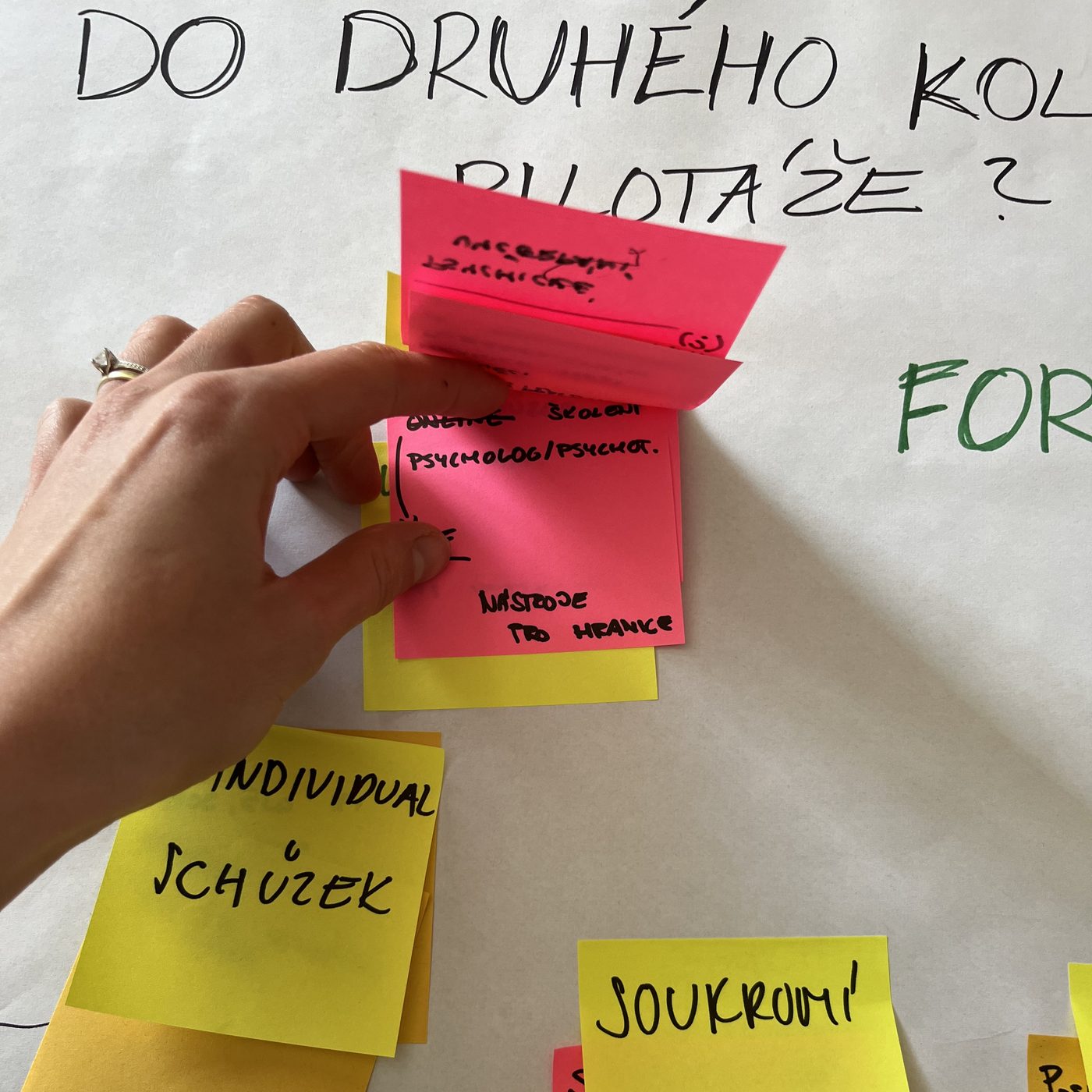
Ruka přesouvá barevné lístečky na flipchartu pod otázkou Do druhého kola pilotáže?

Depending on your needs, we can follow up on the evaluation with:

  • An internal evaluation system, so you can handle routine data collection yourselves.

  • Facilitation of follow-up meetings or training.

  • Evaluation of the next phase. With the theory of change and tools in place, it goes faster.

  • A strategy or programme review with an action plan.

  • A research report, case studies or a basis for advocacy.

  • Aligning the logic of the programmes with the foundation’s strategy.

  • Evaluation support for grantees: methodology, consultations, training.

  • Methodology, system-level recommendations or a basis for the next programming period.

You can do much of this yourselves. We leave you equipped with what you need to build on.

Frequently asked questions

When a project is already under way or has ended, we start by reconstructing what can be drawn from existing data and add data collection where there are gaps. At the very start we say openly which questions the data can answer and which it cannot.

We also take on smaller analytical assignments on their own: evaluating a questionnaire survey, analysing feedback from a course, or reviewing good practice from abroad. These usually take a few weeks.

Yes. In that case we collect data directly at meetings with participants and stakeholders, often at meetings that take place anyway, and verify the conclusions together with them. People also get to know each other in the process. This works especially well for programmes built on relationships and networks.

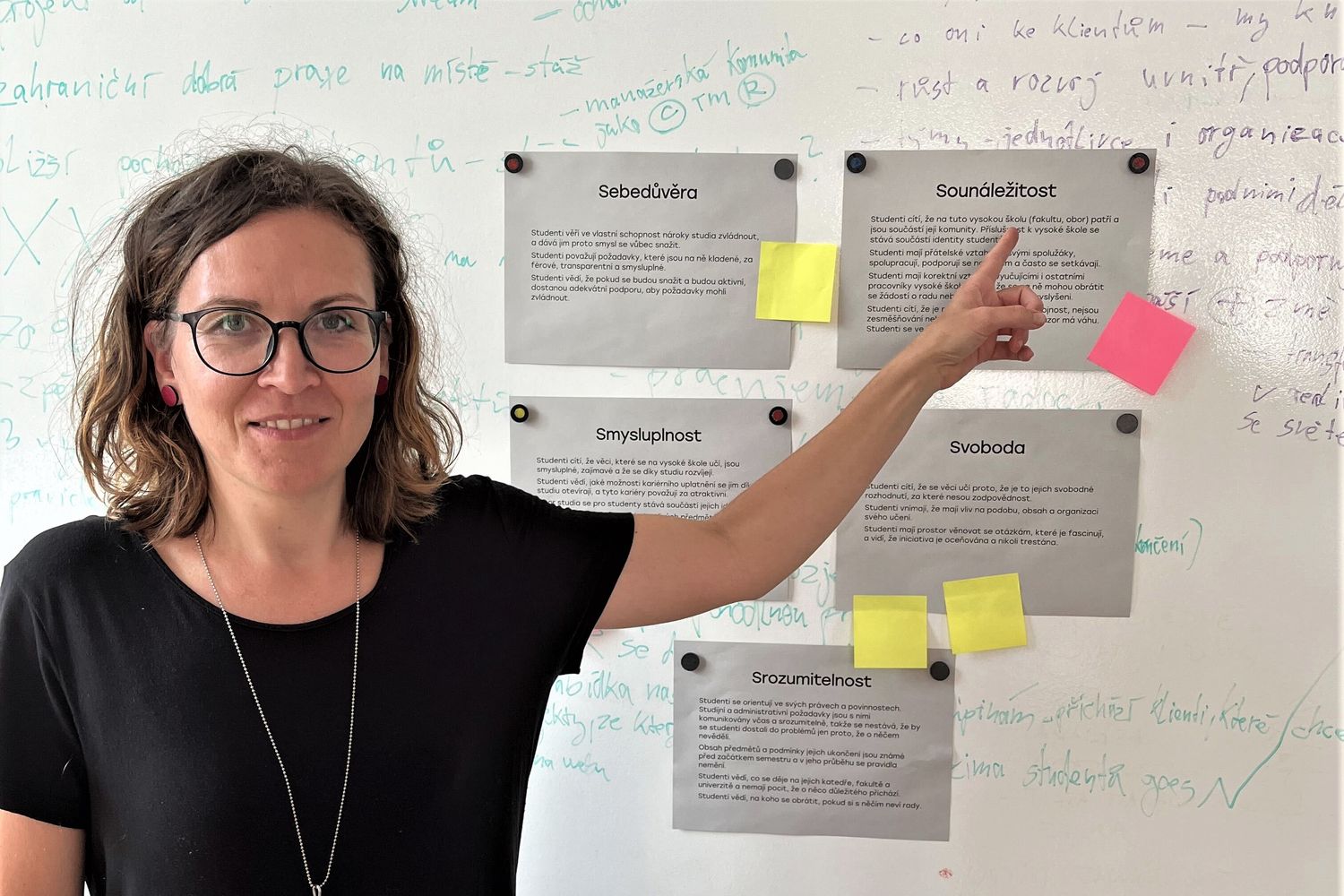
Pavla Burgos z Govlabu ukazuje na tabuli evaluační rámec s pěti oblastmi

Interested? Get in touch. We can start with a free, no-obligation consultation.